Council or certifier: Who approves what?

When it comes to home improvements or building projects, it’s important to know who’s responsible for what—your local council or a building certifier? 

Image
Two workers reviewing a plan with a yellow hat in the foreground

Understanding the difference early can help you avoid delays, added costs, and compliance issues. Here's a simple guide to help clarify the roles.

What your local council oversees

Your local council manages planning, zoning, and development regulations specific to your area. Every council has its own local planning scheme, which outlines what kind of development is permitted and where. This affects everything from what you can build to how your neighbourhood evolves over time.

Things you should check

Zoning information: Land is divided into zones like residential, commercial, industrial, or rural. Your project needs to comply with your land’s zoning regulations.

Development approvals: You may need council approval if you’re:

  • building or extending a permanent structure
  • constructing a high retaining wall
  • clearing native vegetation
  • demolishing existing structures
  • changing the land use (e.g. turning a house into a shop)
  • making major structural changes.

Property boundaries: Always check your current property lines—especially for projects near fences or edges of the lot. The Queensland SmartMaps tool is a great resource but double-check with your council for the most accurate info.

Why it matters: If you skip council checks, you could face penalties, delays, or be forced to redo work—costing you time and money. You may also be ineligible to certain protections under the QBCC if you have not complied with council regulations.

Tip of the trade: 

Council rules vary by location, so always contact your local council for advice before starting.

What building certifiers do

While your council handles what can be built and where, building certifiers ensure that construction is done correctly and in line with approved plans and building codes. Certifiers handle:

  • assessing and approving building plans
  • inspecting work at key construction stages
  • issuing certificates of inspection
  • enforcing compliance through notices, when necessary
  • providing final approval so the building can be legally occupied.

Most of the time, your builder will engage a certifier for you. But you can also choose your own. 

Use our free Find a Local Contractor tool to search for a licensed certifier and check their history through the QBCC Licensee Register.

Why it matters: We license these professionals to ensure they’ve met Queensland’s industry standards—giving you greater confidence in their qualifications and professionalism.

Tip of the trade

Make sure your building contract clearly states who is responsible for hiring the certifier—this avoids confusion later.

Need help?

If you're unsure, reach out to your council or contact the QBCC on 139 333—we're here to help guide you every step of the way. 

You can also visit our Home Owner Hub for step-by-step guidance through the building and construction process—from planning to completion.

Last reviewed: 13 Nov 2025 Last published: 13 Nov 2025
Back to top

Why getting the right QBCC licence matters

If you're starting a career in Queensland’s building and construction industry, or levelling up, getting licensed is one of your most important steps. But with several different types of QBCC licences available, how do you know which one you need? 

Image
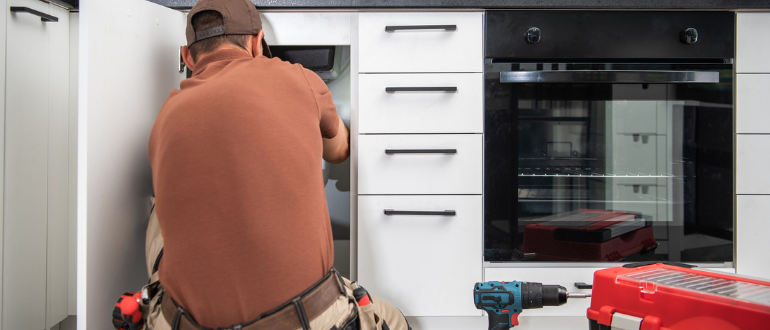
tradesperson plumber tools kitchen sink

Each QBCC licence type reflects your qualifications, skills and the type of work you’re experienced to do—much like how we have different licences for different types of vehicles.  

Holding the right licence protects your business, boosts your reputation, and sets you up as a trusted professional. Here’s a breakdown of the most common licence types:

  • Contractor licence—This licence allows individuals or businesses to undertake building work. It’s ideal for sole traders, subcontractors, or companies wanting to engage in building contracts directly with clients.
  • Nominee supervisor licence—This is for individuals who supervise building work on behalf of a company and are responsible for ensuring the work meets  Australian standards and the National Construction Code[?].  
  • Site supervisor licence—This allows site supervisors to oversee on-site building work, but not to enter into contracts.
  • Occupational licence—This is for specialist trades, such as plumbing, drainage, gas fitting, fire protection, and many others.  

How to choose the right licence for you

The right licence depends on what kind of work you’ll be doing and the level of responsibility you’ll have. Are you contracting directly with clients? Are you supervising work for a company? Or are you specialising in a regulated trade? These questions will help shape your path.

If you’re unsure where to start, the QBCC has a helpful licence information tool to guide you. By answering a few quick questions about your work, you will be advised of which licence class you need to hold to do the work.

If you’re still unsure, we encourage you to reach out to our helpful contact centre. They will be able to steer you in the right direction. Phone us on 139 333.  

It’s important to keep on top of your licence so you don’t get caught out with the wrong licence or no licence at all.

Set yourself up for success

Getting the right QBCC licence is more than just ticking a box—it’s an essential part of doing the job properly and earning your clients’ trust. Whether you’re just starting out or taking the next step in your building career, take the time to understand which licence suits your role. It’s not only an investment in your future, your reputation, and the quality of work delivered across Queensland, it is also a legal obligation that ensures you’re operating within the rules. 

Tip of the trade:

It’s worth visiting the QBCC’s web pages that explain licence types  and eligibility requirements—including detailed information on qualifications, application steps, and what each licence allows you to do.  


Last reviewed: 10 Sep 2025 Last published: 10 Sep 2025
Back to top