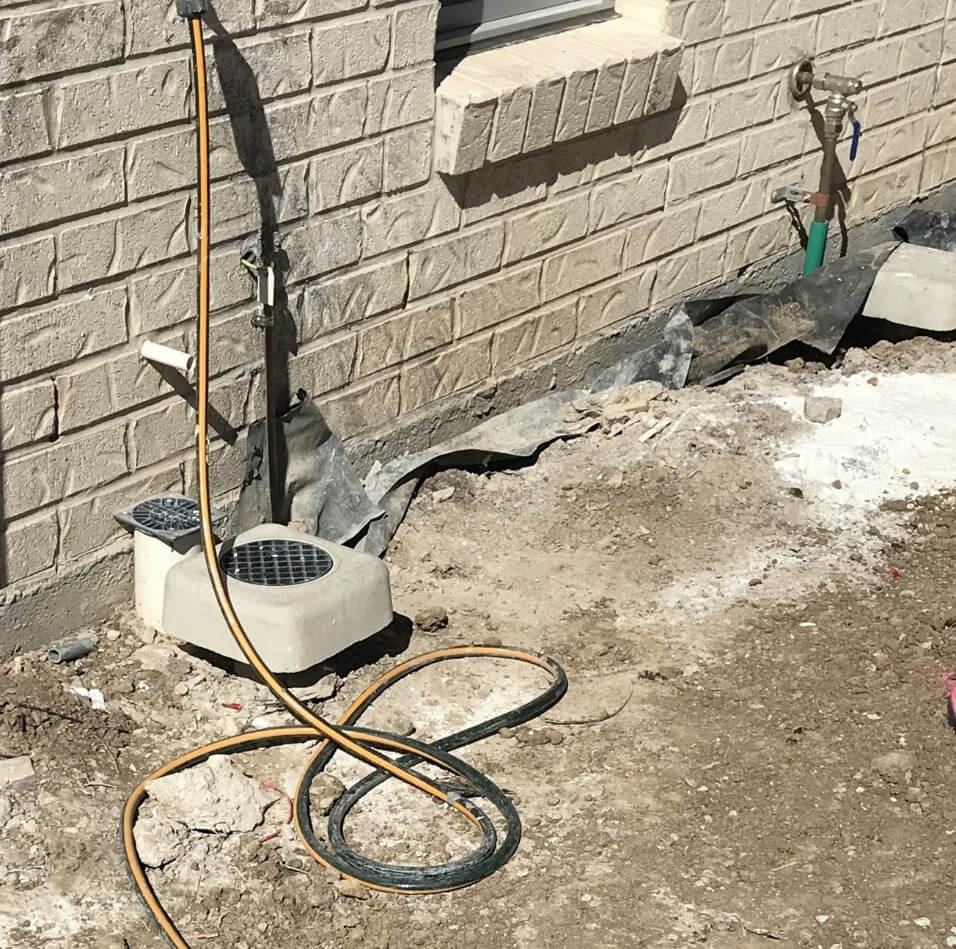
Overflow relief gullies
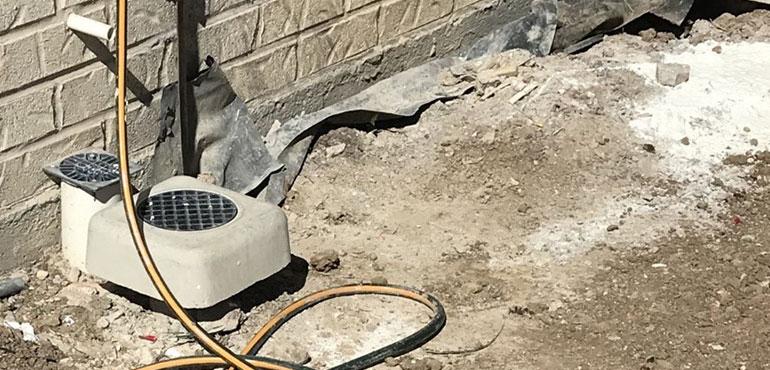
An overflow relief gully (ORG) is an essential element of the drainage system and unless there is an exemption, at least one shall be installed in a drain. It is intended to provide relief in the event of sewage surcharge, which is particularly important for the protection of property. There are specific requirements for an ORG and these are set out in the standard for sanitary plumbing and drainage, AS/NZS 3500 Part 2.
An ORG is to be located:
- within the property boundary
- external to the building
- so that the top of the gully is accessible
- positioned where any discharge will be noticeable.
The top of the gully must not be enclosed and must have clear access for more than 2m above the grate. Discharging points over the ORG must also be carefully considered as not to affect the grate’s ability to be released in the event of a surcharge. The standard also provides alternative locations where it is not possible to conform to these requirements, for example, located within a building or recessed within an external wall. These alternatives should only be used in circumstances where it is impracticable to meet the four main requirements.
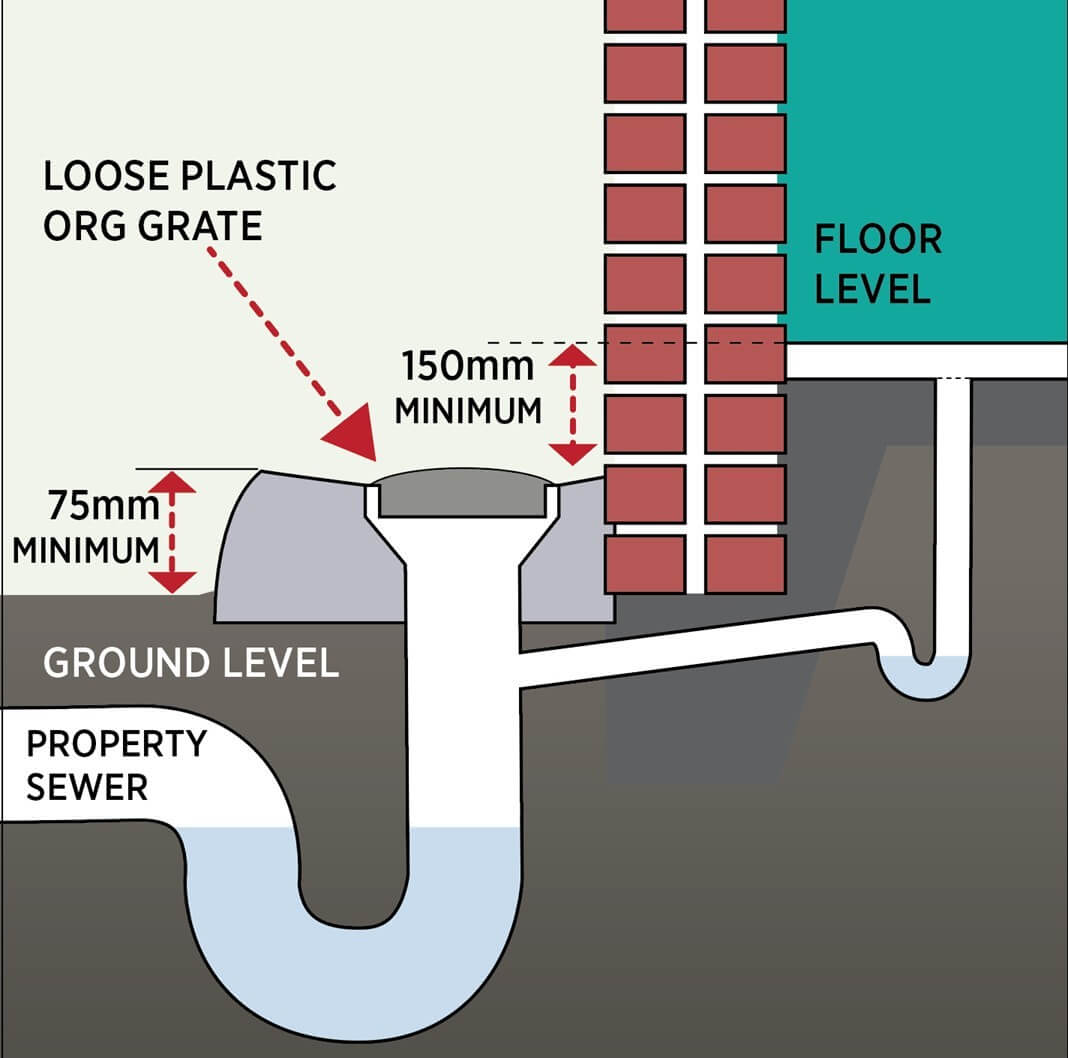
ORG heights are critical in terms of providing effective relief from sewage surcharge and to avoid excess water from entering the drainage system. The minimum height between the top of the overflow gully riser and the lowest fixture connected to the drain is 150mm and must be maintained at all times. The lowest fixture includes a floor waste gully. This is intended to prevent sewage from entering the building.
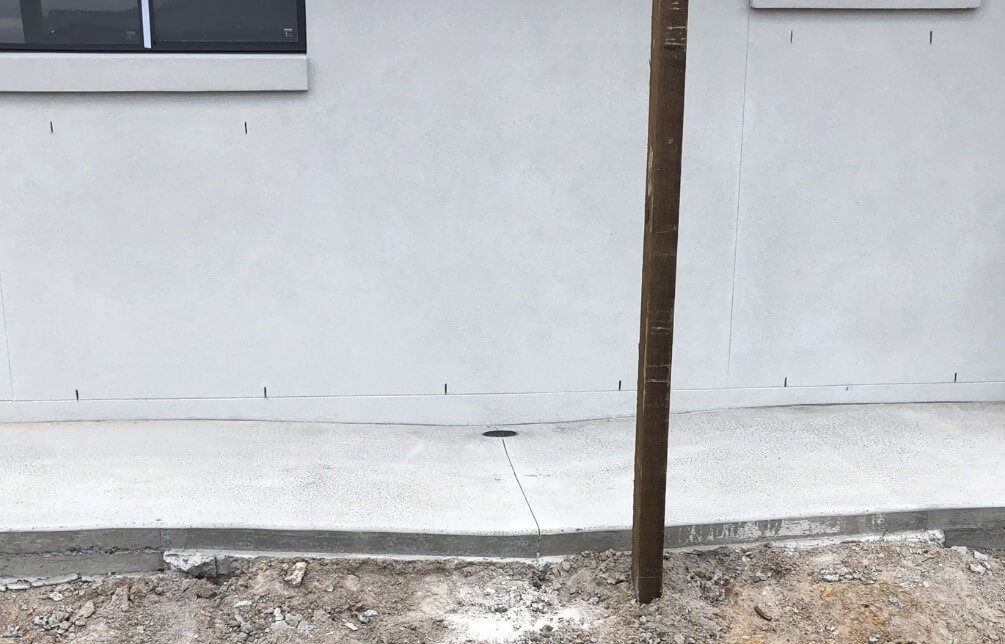
The minimum height between the top of the overflow of the ORG riser and the finished surface level shall be 75mm, except where the gully riser is located in a path or a paved area. In this case, it shall finish at a level to prevent ponding and ingress of water. Plumbers and drainers must also be aware of ORGs in flood-affected areas.
The standard provides that in areas subject to known flooding, the inlet to a sanitary plumbing and drainage system shall be positioned at least 150mm above the declared flood level. The inlet could likely be the top of the ORG. It is therefore important to know what the declared flood level is for the property you are working on. Plumbers and drainers ought to know what the declared flood level is for the property before starting work. This will ensure compliance with the standard and avoid the possibility of enforcement action for non-compliance. For information about flood levels, please contact the local government.
Diagram 1 – Typical Overflow Relief Gully installation
Example of an ORG riser located in a path or a paved area
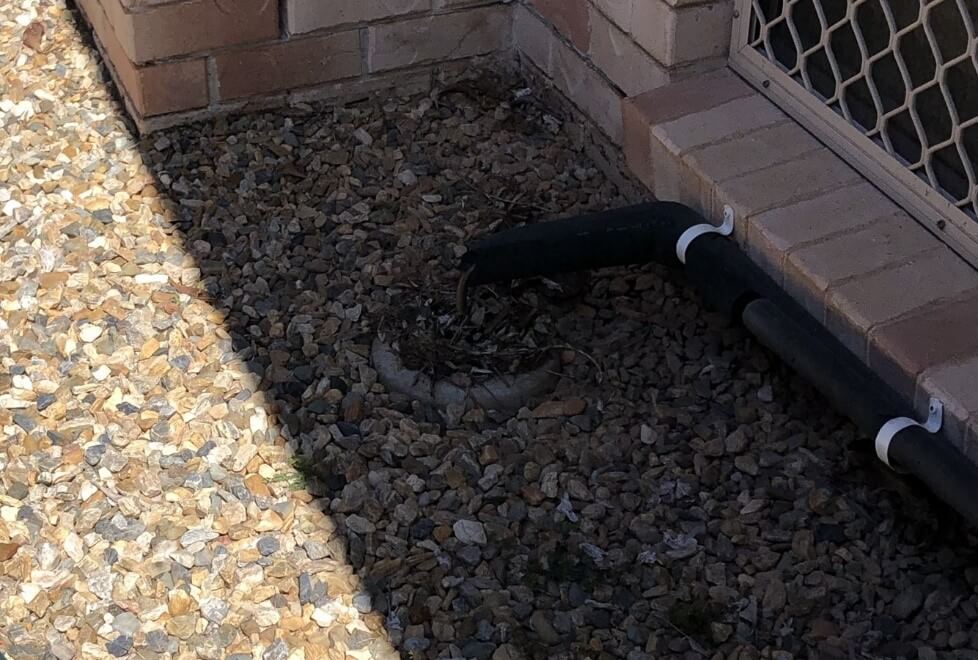
Example of a failure allowing the ingress of water.
Example of a ORG riser allowing for turf, the turf being the ‘Finished Surface Level’.