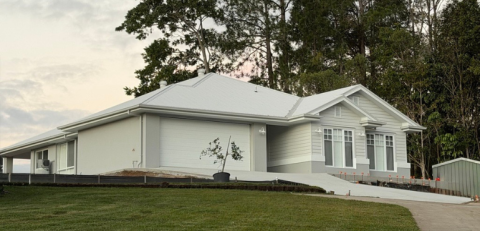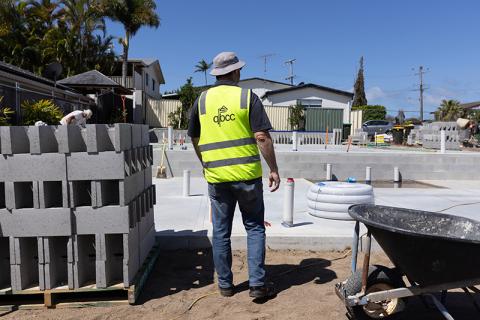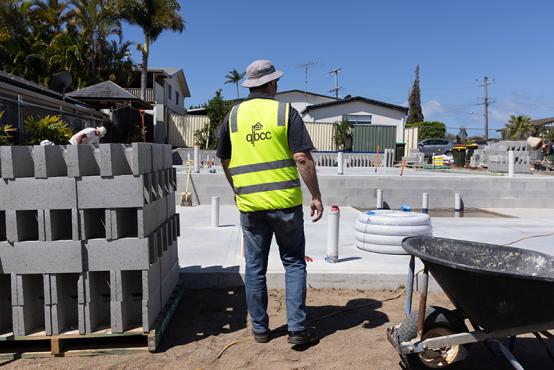
Across both regions, QBCC officers focused on active construction sites at early stages, where structural aspects, fire separation and passive fire systems are inspected and rectified prior to projects progressing to the next stage.
These audits strengthen our intelligence on common defects and identify whether they are region‑specific or Statewide issues. They also focus on early intervention, conversations and practical guidance, enabling us to work with industry on targeted improvements and increased understanding of building standards.
At the QBCC, we strongly believe prevention is better than cure, and proactive audits such as these demonstrate how we’re prioritising active education and engagement efforts to ensure standards are upheld in the building and construction industry.
With the accountability for all licensees guideline in effect as of 30 March 2026, these audits serve as a great opportunity for both the QBCC and licensees to work together to uphold standards and understand responsibilities. For more information on the accountability for licensees guideline, please see the QBCC website.
Why early inspections matter
Many of the issues identified across both regions occur at stages of construction that are later concealed by subsequent work. Early inspections allow builders to correct work before walls, ceilings or structural elements are closed in, and make licensees responsible for onsite work which can reduce potential rework costs, as well as create safer buildings.
QBCC CEO and Commissioner, Angelo Lambrinos, said the results reinforce the importance and value of early engagement.
“When builders are supervising and check key details progressively and before work is physically covered over, then they gain confidence and reassurance that the works meet standards. Simple photo records taken at the right time also make compliance easier to demonstrate and verify. It is good quality assurance practices.”
Practices that supported better outcomes
TSU officers consistently observed stronger results where builders:
- are involved at critical stages in verifying passive fire systems, structural assemblies, cladding and the like are compliant prior to concealing.
- were well-versed in the installation of the system being used and followed manufacturers specifications/installation manuals.
- kept good site records of photos or detailed correspondence relating to design amendments or building performance issues.
- demonstrated open communication and raised on-site concerns early with the relevant stakeholders such as home owners, certifiers and designers.
- had clear witness points and hold points to verify critical elements before continuing with subsequent stages
These practices align with expectations outlined in the QBCC Standards and Tolerances Guide and is a minimum of what the QBCC requires of all licensees.
The following shows some of our findings across the two regions through photos.
Townsville findings
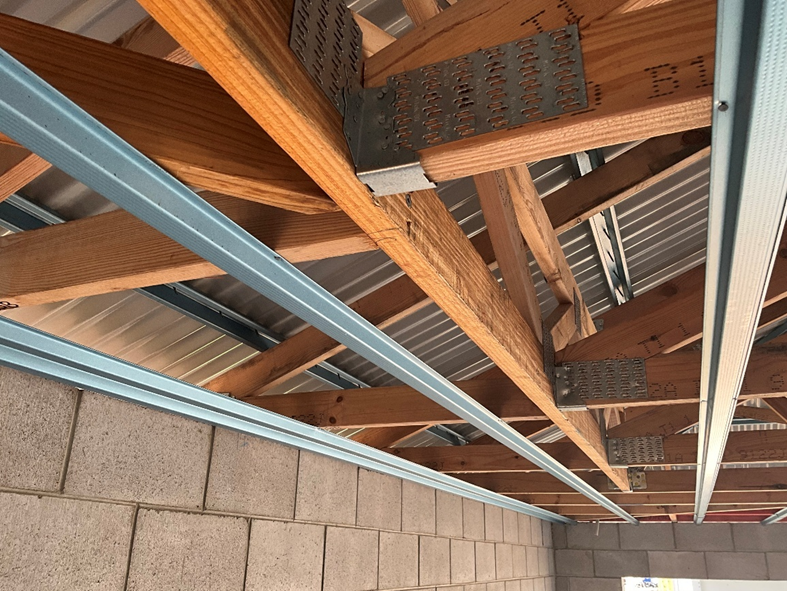
During a five‑day audit program in Townsville, TSU officers completed 36 site audits across Class 1a and 1b dwellings. Officers identified eight defects, with no evidence of systemic issues across the region.
Engagement with builders and contractors was a welcoming and positive experience that was valuable to both parties. It provided the opportunity for the QBCC to educate local builders and contractors in their own environment, and both parties were able to ask questions and listen to problematic issues relevant in their region.
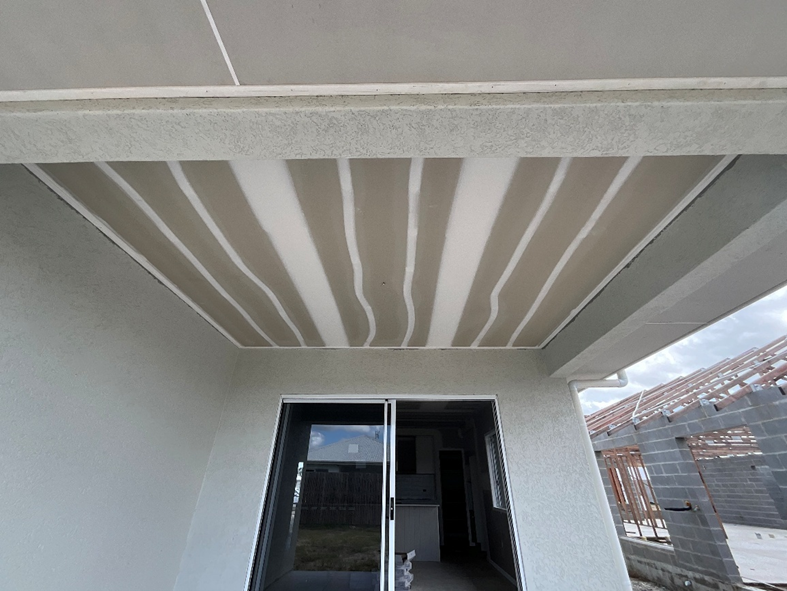
Various issues identified during audits included:
Image
| Image
|
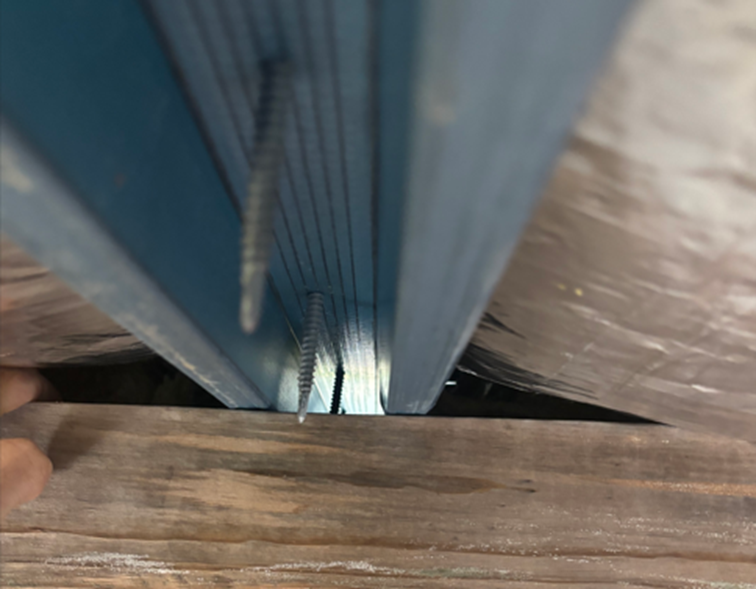
Seven Improvement Notices were issued to five builders, with TSU officers reporting constructive responses and timely rectification.
Compared with audits undertaken in Townsville in 2024, inspectors observed a clear improvement in compliance, reflecting the impact of earlier audits, education and follow‑up engagement with local builders, contractors and suppliers.
Gold Coast findings
In the same period, the TSU undertook a targeted proactive audit program on the Gold Coast, focusing on Class 2 buildings under construction. under construction.
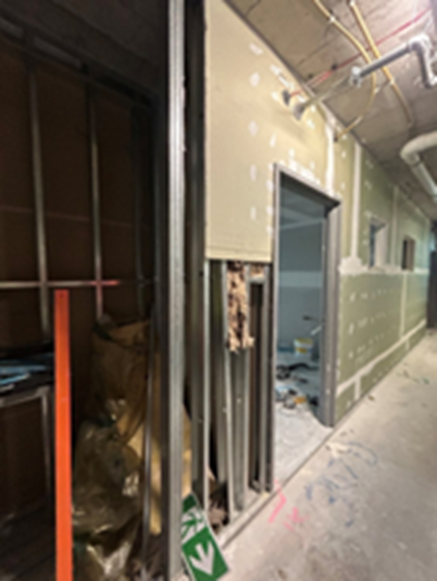
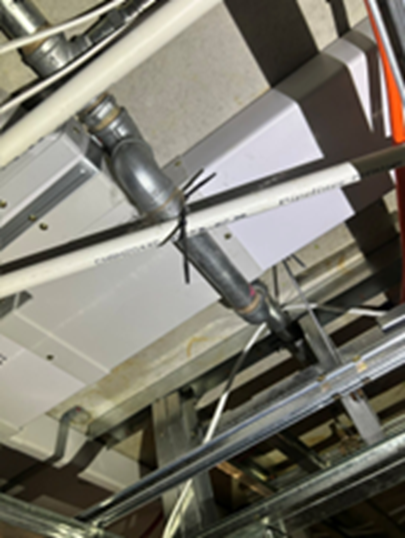
TSU officers identified repetitive issues with lightweight fire‑rated wall systems, services attached to sprinkler pipework, suspended ceiling supports and incomplete fire separation within fire isolated stairwells and shaft areas.
Image
| Image
|
On one particular site, the extent of non‑compliance required removal of multiple levels of fire wall systems occurred to ensure fire‑rating and system performance could be achieved.
Several improvement notices were issued and a targeted investigation commenced against the builder to ensure these issues were isolated and not a systemic issue.